Walking into your first Jiu Jitsu class in Texas can feel like stepping onto unfamiliar ground. Maybe you’ve watched a few matches online, or perhaps a friend convinced you to try it after hearing about their experience at an MMA gym in San Antonio. No matter how you found your way here, the first session often brings a mix of excitement, anxiety, and curiosity. As someone who’s guided dozens through their first class, I can tell you: those feelings are normal. Let’s demystify what actually happens when you tie that white belt for the first time.
The Unique Flavor of Texas Dojos
Texas martial arts culture stands out for its hospitality and grit. Whether you're attending a Jiu Jitsu class in San Antonio, Austin, or a small town outside Dallas, expect a blend of Southern friendliness and competitive spirit. Many gyms here double as MMA gyms - students cross-train in wrestling, Muay Thai, or boxing alongside Brazilian Jiu Jitsu.
The diversity of students is striking. In any given class, you’ll see software engineers rolling with military veterans, teenagers drilling beside retirees, men and women alike sweating it out together. One evening at a San Antonio academy, I paired up with a grandmother who could choke out men half her age before helping her grandson with his homework in the lobby.
The take-home message: don’t worry about fitting an “athlete” mold. Texas gyms tend to put community before ego.
Arriving: What You’ll Notice First
Expect a patchwork of gis (Jiu Jitsu uniforms), rash guards, and athletic shorts. Most academies keep shoes off the mats but require sandals or slides elsewhere to protect cleanliness. You might hear the thwack of pads from an adjacent MMA class or catch the earthy smell of sweat and disinfectant - not unpleasant but unmistakably “gym.”
Front desks typically display upcoming seminars and tournament flyers. Staff may ask if you’ve signed a waiver - many places handle this digitally now. You’ll probably be offered a loaner gi if you haven’t purchased one yet. It won’t fit perfectly, but it will do the job.
A quick glance at the walls might reveal photos of black belts or flags representing Brazil and Texas side by side. The most important thing: everyone started as a beginner. Look around, and you'll notice the more experienced students taking nervous newcomers under their wing.
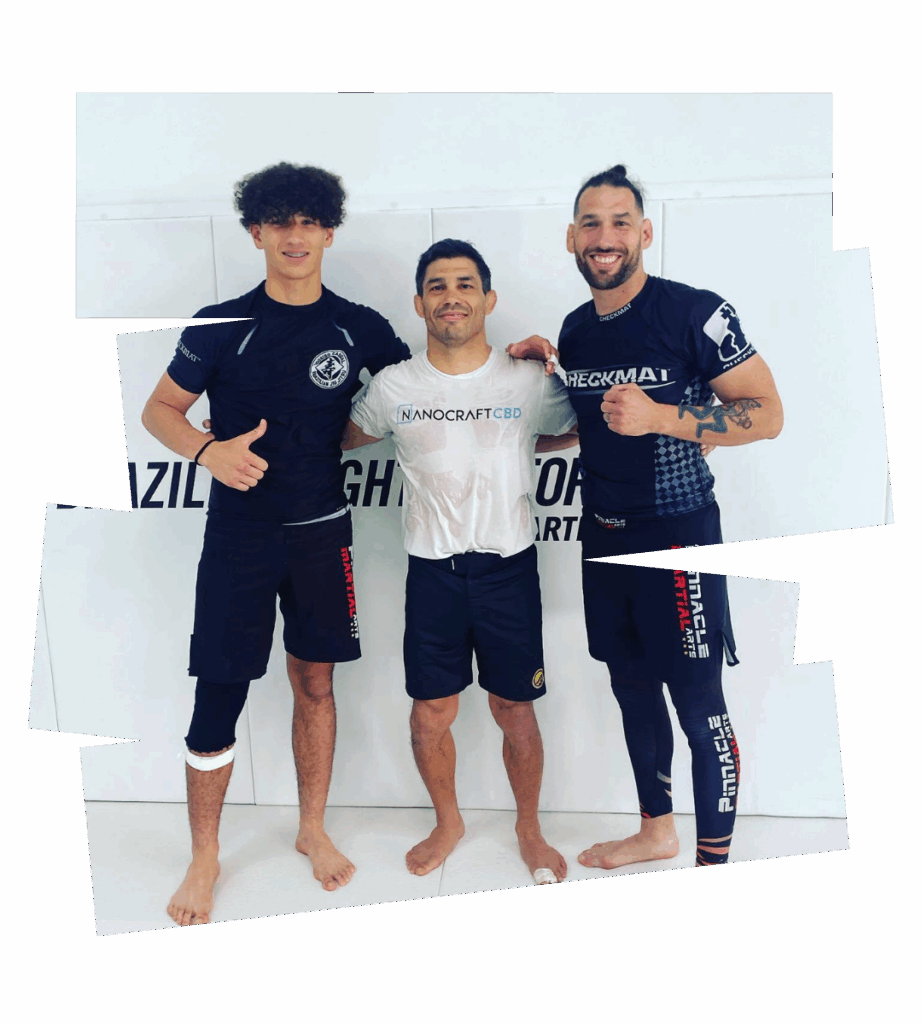
Meeting Your Instructor
Instructors in Texas come from all walks of life - ex-MMA fighters, law enforcement officers, or lifelong martial artists. Most are approachable and appreciate questions. It’s common for them to greet newcomers with a smile and ask about prior sports or injuries. Don’t be surprised if they remember your name after one introduction; strong personal connections keep students returning.

Some instructors use humor to break the ice; others prefer directness. At one gym in North San Antonio, Coach Mark starts every intro with “Welcome to your new addiction.” It’s half-joke, half-promise.
How a Typical Class Flows
Every academy has its quirks, but most classes follow a rhythm:
- Warm-up: This might mean jogging laps, shrimping (a hip escape movement), or partner drills. Expect 10-15 minutes of movement designed to get blood flowing and introduce basic motions. Technique: The heart of the session. The instructor demonstrates one or two techniques - maybe a guard pass or an escape from side control - often breaking them down into digestible steps. Drilling: Students pair up and repeat the move under supervision. Partners switch roles so everyone practices both offense and defense. Sparring (Rolling): Some classes include live sparring; others save it for advanced students. Beginners might “flow roll” - moving lightly without full resistance - or sit out and watch. Cool-down: Light stretching or questions. Many instructors invite feedback or clarify details from the day’s lesson.
If it’s your first day, don’t worry about being thrown into sparring right away. Most gyms ease new students in gradually, prioritizing safety.
What You’ll Actually Be Doing
Your initial class focuses on foundational movements rather than fancy submissions. You might learn how to fall safely (breakfall), shrimp out from under an opponent, or basic guard retention. These may sound mundane but form the backbone of solid Jiu Jitsu.
During drills, expect repetition. Sometimes you’ll practice the same movement for several minutes - this builds muscle memory faster than any lecture could. Instructors circulate to offer tweaks: “Angle your hips more,” “Keep your elbows tight,” “Relax your shoulders.” Don’t be intimidated by corrections; even black belts crave feedback.
A common misconception is that strength outweighs technique. On your first day, you’ll likely discover that leverage and timing matter far more than muscle - especially as lighter students catch you off-guard with efficient movement.
Etiquette on the Mats
Jiu Jitsu culture values mutual respect. Bowing as you step onto the mat is customary at many academies; others prefer a handshake or fist bump before rolling. Hygiene is non-negotiable: trim your nails, wear clean gear, and shower before class if possible.
Hierarchy exists but isn’t rigid. Colored belts signal experience - white is beginner through black for instructor level - but everyone is expected to help each other. It’s not unusual to see a blue belt pausing mid-drill to coach a nervous newcomer or to receive advice from someone younger than you.
If you’re ever unsure about protocol (should I bow? do I call them “coach” or “professor”?), just ask. Most Texans appreciate directness over guesswork.
Physical Demands: What It Really Feels Like
Jiu Jitsu delivers a unique workout. Expect to sweat - even during warm-up drills - and use muscle groups neglected by typical gym routines. You’ll find yourself pressing off your toes, engaging your core to maintain posture, and using grip strength more than expected.
Most new students tire quickly during live drills or sparring. That’s normal; even those with athletic backgrounds often gas out early due to unfamiliar movements. The best advice is to pace yourself and focus on technique over brute force.
Soreness will visit odd places - forearms from gripping fabric, neck from bridging, hips from shrimping. Hydrate well and stretch post-class. If you have previous injuries (knees and fingers are common culprits), mention them before starting; most instructors will adapt drills accordingly.
Mindset: Handling Nerves and Ego
The mental side of your first class can be as challenging as the physical side. Expect mistakes - missing grips, tumbling off balance, forgetting steps midway through a drill. Everyone around you has been there.
A healthy approach is to treat each blunder as data rather than failure. The best students aren’t necessarily the strongest; they’re the ones who learn from every attempt. It’s tempting to compare yourself to others on day one, but remember that progress in martial arts is measured over months and years rather than minutes.
One story stands out from my early days at an MMA gym in San Antonio: a college athlete joined our fundamentals class and struggled with simple hip escapes. He was used to excelling quickly but found himself humbled by smaller training partners flowing through techniques he couldn’t master yet. Six months later, he’d become one of the academy’s most technical blue belts - all because he stuck with it and learned to laugh at himself along the way.
Gear: What to Bring and Borrow
If it’s your very first Jiu Jitsu class in Texas, most gyms will lend you a gi and belt if required. As you progress, investing in your own is worthwhile - look for sturdy stitching and breathable fabric to handle Texas heat. Some academies focus on no-gi grappling (rash guards and shorts), especially those https://martialartsnlnx0133.cavandoragh.org/women-empowerment-through-martial-arts-in-texas with an MMA emphasis.
Bring a water bottle and sandals for walking off-mat. Leave jewelry at home. Many students layer athletic wear beneath their gi for comfort and modesty - compression shorts or leggings work well.
Some gyms offer rental lockers; others recommend keeping valuables in your car or at home. If you plan to train regularly, consider mouthguards or knee pads depending on personal preference or prior injuries.
Social Dynamics: Making Connections
One underrated aspect of training is the camaraderie that forms quickly among students. Struggling together through tough drills or laughing about clumsy mistakes creates real bonds. Many lifelong friendships (and even business partnerships) have their roots on sweaty mats across Texas.
Don’t hesitate to introduce yourself before or after class. Locals are usually eager to welcome newcomers - especially if you show up consistently and ask questions. Post-class hangs at taco trucks or group outings to local martial arts tournaments are common in bigger cities like San Antonio and Houston.
Comparing Gyms: Finding the Right Fit
Not all MMA gyms or Jiu Jitsu academies in San Antonio offer the same experience. Some cater to aspiring competitors chasing gold medals; others focus on self-defense or building confidence in kids and adults alike. If possible, visit several facilities before committing.
While some gyms tout championship credentials and celebrity coaches (especially closer to major fight hubs), smaller community-focused dojos might offer more personal attention. Trust your gut during trial classes: does the environment feel welcoming? Are instructors attentive? Do students help each other without ego?
Here’s a quick checklist to help evaluate options:
Is the facility clean and well-maintained? Do instructors take time to teach beginners? Are classes available at times you can consistently attend? How do students treat one another during drills and sparring? Do your goals (fitness, competition, self-defense) align with the academy’s philosophy?
If any answer feels off, keep looking; Texas has no shortage of quality options.
Dealing with Common Fears and Misconceptions
A frequent concern is that everyone else will be more skilled or athletic. Rest assured: every black belt was once a nervous white belt stumbling through their first armbar attempt.
Another worry is injury risk. While contact is inevitable in martial arts training, reputable gyms emphasize safety above all else. Tap early and often during sparring; partners are trained to release holds promptly. If something feels uncomfortable or unsafe, speak up immediately.
Some newcomers feel self-conscious about age or body type. Texas academies pride themselves on inclusivity - I’ve witnessed students start in their sixties and others train through significant weight loss journeys. Progress is highly individual; there’s no single path.
After Your First Class: What Happens Next
You’ll likely leave tired but energized - and with more questions than answers. Expect soreness the next morning and flashes of technique running through your mind during odd moments at work or school.
Most students need several sessions before movement patterns “click.” Don’t be discouraged if things feel awkward or overwhelming at first. Celebrate small wins: remembering to bow on and off the mat; nailing your first shrimp escape; making a new friend during water breaks.
Consistency is your best ally. Attending two or three classes per week yields noticeable progress within the first couple months. Over time, the academy becomes more than just a gym - it’s a second home where sweat and laughter go hand-in-hand.
Final Thoughts: Embracing the Journey
Stepping into a Jiu Jitsu class - whether at one of the bustling MMA gyms in San Antonio or a humble dojo tucked away in West Texas - is equal parts challenge and opportunity. You’ll face discomfort and confusion early on but also experience moments of breakthrough that keep students coming back year after year.
Approach each session with humility and curiosity. Trust your instructors and training partners; they remember what it felt like to be new. Give yourself permission to make mistakes and enjoy the process.
Martial arts isn’t just about fighting; it’s about growth - physical, mental, and social - forged one roll at a time. If you stick with it beyond that first nervous class, you’ll find more than just self-defense skills waiting for you on the mats. You’ll discover resilience, friendships, and confidence that reach far beyond the academy doors - right into daily life across Texas.
Pinnacle Martial Arts Brazilian Jiu Jitsu & MMA San Antonio 4926 Golden Quail # 204 San Antonio, TX 78240 (210) 348-6004